
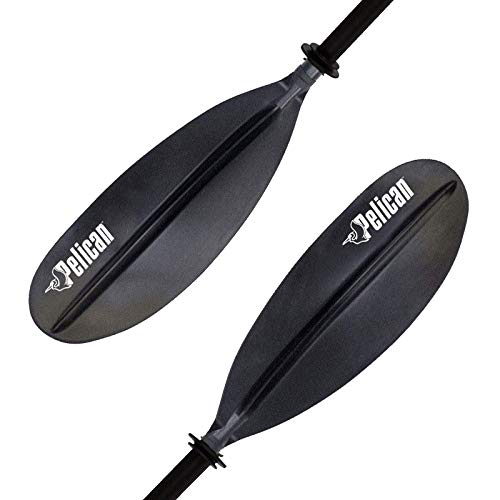


Pelican Standard Kayak Paddle Polypropylene | Durable Recreational Paddle
We designed the Pelican Standard Kayak Paddle for recreational paddlers who need reliable performance without compromise. The polypropylene construction delivers exceptional durability while keeping the overall weight manageable for extended time on the water.
Asymmetrical blade design provides smooth, efficient strokes with reduced flutter and splash. The aluminum shaft features foam padding in the grip zones for comfortable hand placement during long paddling sessions. We built this paddle to handle freshwater lakes, calm rivers, and coastal environments where reliability matters most.
Paddle specifications
Polypropylene Blade Construction & Durability
We chose polypropylene for the blade material because it offers the ideal balance of strength, flexibility, and weight for recreational kayaking. This thermoplastic polymer resists impact from rocks, docks, and shoreline obstacles that paddles inevitably encounter.
The material withstands UV exposure without becoming brittle, making it suitable for storage in direct sunlight between trips. Polypropylene maintains structural integrity across a wide temperature range, performing consistently whether you’re paddling in spring melt conditions or late summer heat. The blade edges hold their shape through thousands of strokes while remaining forgiving enough to prevent sudden failures if you strike an underwater obstacle.
Adjustable Length & Shaft Design
Finding Your Ideal Paddle Length
The two-piece design with push-button ferrule adjustment lets you set the paddle length at 220cm, 230cm, or 240cm. Shorter paddlers and narrower kayaks typically work best with 220cm, while taller paddlers or wider recreational kayaks benefit from the 230cm or 240cm settings.
The aluminum shaft provides rigidity for efficient power transfer without excessive weight. We added foam padding in the grip zones where your hands naturally rest, reducing pressure points and preventing blisters during multi-hour paddling trips. Drip rings positioned near each blade keep water from running down the shaft and into your lap, particularly useful when paddling into wind or waves.
Asymmetrical Blade Performance
The asymmetrical blade shape represents a significant performance advantage over symmetric designs. The uneven blade profile enters and exits the water more cleanly, reducing the flutter and splash that waste energy and slow forward progress.
When you pull through the water with proper technique, the asymmetrical design keeps the blade tracking straight rather than wanting to twist in your grip. This characteristic becomes especially noticeable during long paddles when fatigue starts affecting form. The blade surface area balances power generation with recovery speed, allowing you to maintain a comfortable cadence without excessive resistance on the return stroke.
More Paddles & Kayak Accessories


Rated 4.8 by verified buyers


Questions About the Standard Polypropylene Paddle
Polypropylene offers excellent impact resistance and durability at an accessible price point. It handles the inevitable bumps against docks, rocks, and kayak hulls without cracking or splintering. The material resists UV damage better than some composites and maintains flexibility across temperature extremes.
While carbon fiber and high-end fiberglass paddles offer lighter weight and stiffer blade response, polypropylene delivers reliable performance for recreational paddling without the maintenance concerns or replacement costs associated with premium materials.
Start by measuring your kayak's width at the cockpit. For kayaks 28 inches wide or less, begin with the 220cm setting. Kayaks between 28-30 inches work well with 230cm, while wider recreational kayaks over 30 inches typically require the 240cm setting.
Your height also factors into the decision. Taller paddlers with longer arms can use slightly longer paddles efficiently, while shorter paddlers maintain better control with reduced length. The adjustable ferrule lets you experiment with all three settings to find what feels most natural for your paddling style and boat.
Yes, the Pelican Standard Kayak Paddle with polypropylene blades functions well in saltwater and coastal kayaking. Polypropylene naturally resists corrosion and doesn't degrade from salt exposure the way some materials do.
The aluminum shaft and hardware components should be rinsed with fresh water after saltwater use to prevent salt buildup in the ferrule mechanism. The drip rings and foam grips also benefit from occasional freshwater cleaning to maintain optimal performance and longevity.
The Pelican Standard Kayak Paddle weighs approximately 2.4 pounds, which is heavier than carbon fiber paddles that typically weigh 1.2-1.6 pounds. For recreational paddling sessions of 1-3 hours, most paddlers don't notice significant fatigue from the additional weight.
The durability advantage of polypropylene construction often outweighs the modest weight penalty for casual kayakers, beginners, and anyone who paddles in environments where paddle strikes are common. If you're planning ultra-long distances or competitive paddling, lighter materials become more relevant.
The ferrule connection in our two-piece design is engineered to eliminate flex and maintain rigid power transfer through your stroke. When properly assembled and locked, you won't detect performance differences compared to a one-piece paddle of similar materials.
The two-piece construction offers practical advantages for transportation and storage that most recreational paddlers find valuable. The paddle fits in compact cars, stores inside kayak hatches, and travels easily on airlines. The push-button ferrule mechanism is designed for thousands of assembly cycles without degradation.
Polypropylene blades require minimal maintenance beyond basic rinsing after use. The material doesn't absorb water, crack from sun exposure, or delaminate like composite paddles can. You don't need to apply protective coatings or worry about repairing gelcoat chips.
Inspect the blade edges periodically for any rough spots from rock strikes and smooth them with fine sandpaper if needed. The drip rings should be checked for cracks and replaced if they lose elasticity. Clean the ferrule mechanism and ensure the push-button spring operates smoothly at the start of each paddling season.
This paddle is designed for recreational flatwater kayaking rather than whitewater applications. While the polypropylene construction can handle impacts, the blade shape and shaft design are optimized for efficient cruising on lakes, calm rivers, and protected coastal waters.
Whitewater paddling demands specific blade shapes, reinforced shaft construction, and impact protection features not present in recreational paddles. If you're planning to progress into whitewater kayaking, we recommend exploring paddles specifically engineered for that environment with reinforced tips and high-angle blade designs.